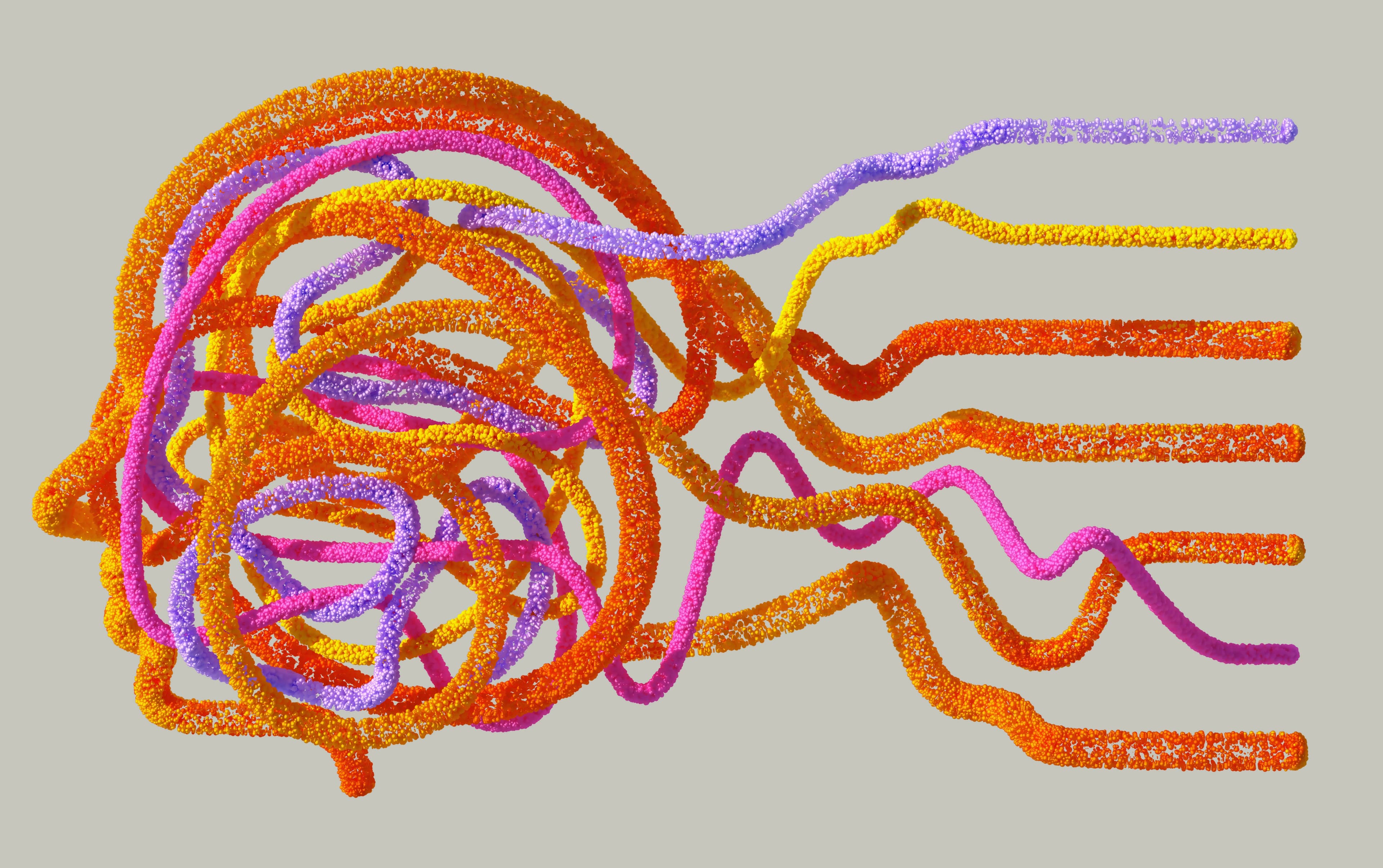



Women with ADHD may be overlooked when symptoms are less disruptive, heavily compensated for or attributed to anxiety, mood or overload.
Why ADHD may be overlooked in women
Historical research and referral patterns often focused on visibly hyperactive boys, making quieter or compensated presentations easier to miss.
Key points
Why ADHD may be overlooked in women
Historical research and referral patterns often focused on visibly hyperactive boys, making quieter or compensated presentations easier to miss.
Inner rather than visible restlessness
Restlessness may be experienced as racing thoughts, tension or difficulty switching off rather than constant visible movement.
Perfectionism and overcompensation
Extensive preparation, checking and working longer can conceal difficulties while increasing exhaustion and shame.
Alternative and co-occurring diagnoses
Anxiety, depression, sleep problems and other conditions may resemble or accompany ADHD and require careful differential assessment.
Effects on everyday life
Organisation, studies, employment, relationships, parenting and household responsibilities may become difficult despite substantial effort.
Why diagnosis may happen late
Increasing adult demands or hormonal and life changes may expose strategies that previously kept difficulties manageable.
How assessment can help
A thorough assessment considers childhood patterns, present functioning, compensatory strategies and possible alternative explanations.
Available support
Support may combine psychoeducation, practical strategies, psychotherapy and medically supervised medication when indicated.
Summary
ADHD has no single female presentation; individual, bias-aware assessment is essential.
Discuss the next steps
A confidential professional conversation can help you understand your situation and choose an appropriate next step.
Start the ADHD self-checkMore topics
More articles from our guide

ADHS bei Erwachsenen: jenseits der Klischees