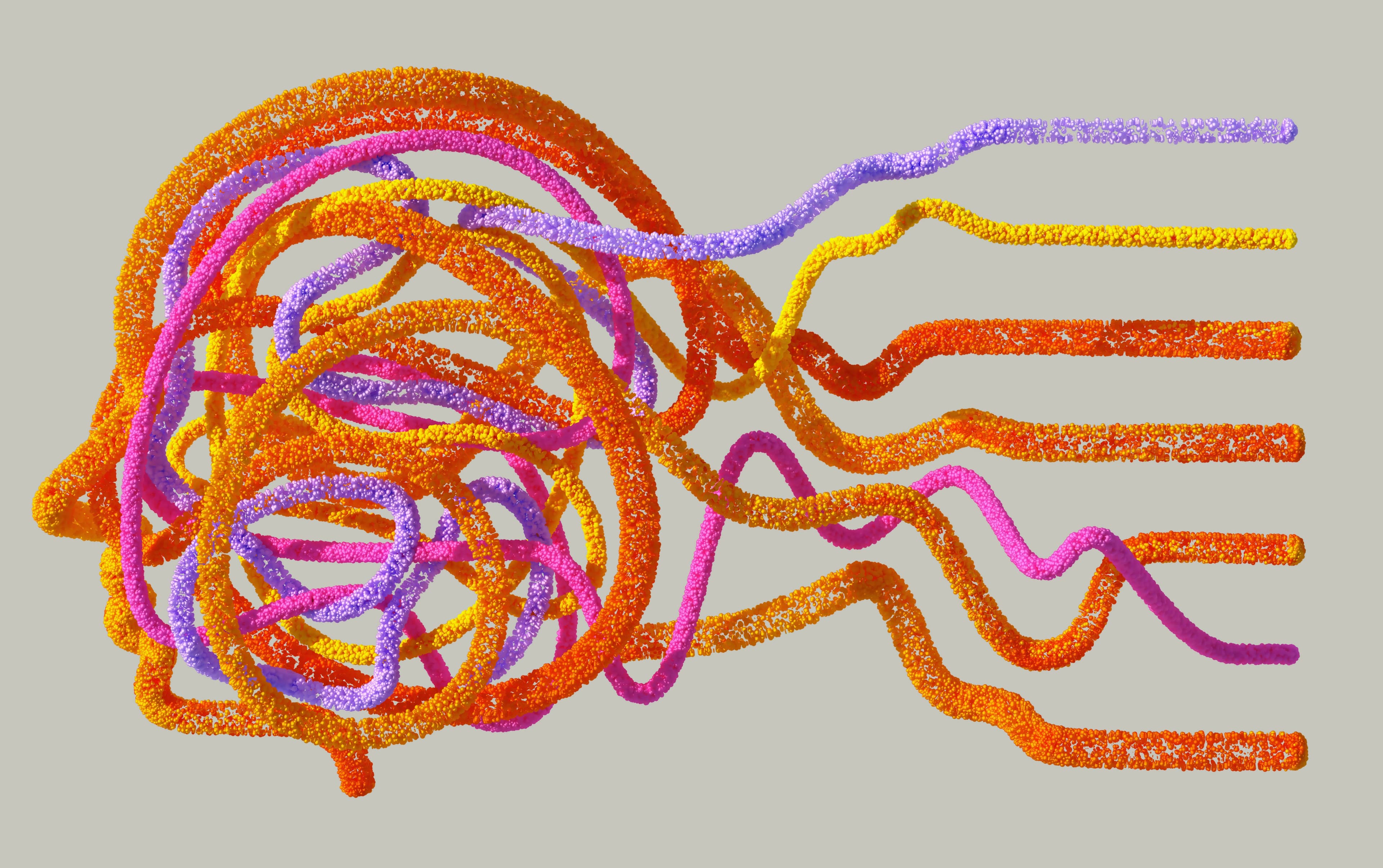


ADHD can affect how a child manages attention, impulses and activity. A careful assessment considers development, daily life and other possible explanations.
What is ADHD in children?
Attention deficit hyperactivity disorder (ADHD) is a neurodevelopmental condition. It can affect how children regulate attention, activity and impulses.
Presentation varies. Some children mainly show restlessness and impulsive behaviour, while others are more likely to daydream, forget things or struggle to start and complete tasks.
Key points
ADHD presents differently in every child
Inattention, hyperactivity and impulsivity vary in intensity and must be understood in the child’s developmental and everyday context.
More than one setting matters
Assessment considers whether patterns persist and occur, for example, both at home and at school or nursery.
Other explanations must be considered
Sleep problems, anxiety, learning difficulties and other physical or mental health concerns may look similar or occur alongside ADHD.
Support is individual
Education, parent guidance, daily-life adjustments, therapy and, where appropriate, medication are tailored to the child’s age and needs.
Common signs
Individual behaviours occur in many children. Duration, severity, developmental stage and impact on daily life are important when considering what they mean.
- Inattention: frequently losing focus, making careless mistakes, forgetting things, or struggling to follow instructions and finish tasks.
- Hyperactivity: a strong need to move, frequently leaving a seat, fidgeting, or finding quiet activities difficult.
- Impulsivity: calling out answers, interrupting others, finding it hard to wait, or acting before considering consequences.
- Emotional impact: rapid frustration, conflict or reduced self-esteem may also occur.
Why ADHD is sometimes missed
Children with mainly inattentive symptoms often disrupt others less and may therefore be recognised later. This frequently, though not exclusively, affects girls.
Withdrawal, daydreaming or variable performance should not automatically be interpreted as lack of effort. An open professional assessment of the whole situation is essential.
Causes and risk factors
ADHD is not caused by poor parenting. Research points primarily to an interaction of genetic and neurobiological factors, and ADHD often runs in families.
Some influences around pregnancy and birth may contribute to risk. Everyday factors such as sugar or media use do not explain ADHD on their own.
What does assessment involve?
There is no single laboratory or computer test that confirms ADHD. A careful assessment combines interviews, developmental and medical history, standardised questionnaires and information from different settings.
- A conversation with the child and their parent or guardian
- Review of development, health, family circumstances and school life
- Information from school or nursery when useful and appropriately agreed
- Assessment of whether criteria persist and occur in more than one setting
- Consideration of alternative and co-occurring conditions
What other explanations are considered?
Insufficient sleep, sight or hearing problems, anxiety, distressing experiences, depression, autism or learning difficulties can produce similar patterns or occur alongside ADHD.
A differential assessment helps avoid settling too quickly on one explanation or overlooking an important co-occurring condition.
Support and treatment
Support is tailored to the child’s age, level of difficulty, strengths and environment. Goals and measures are planned with the child, family and relevant professionals.
- Age-appropriate education about ADHD for the child and family
- Parent guidance and practical strategies for daily life
- Agreed adjustments and suitable support at school or nursery
- Behavioural or other psychological therapy
- Carefully monitored medication when clinically indicated
When is professional help appropriate?
Professional guidance may be useful when attention, restlessness or impulsive behaviour persistently affects learning, friendships, family life or the child’s wellbeing.
If there is an immediate risk of harm to the child or another person, contact the local emergency service or emergency number without delay.
Have your observations assessed professionally
Individual guidance can clarify whether further assessment may be appropriate for your child.
View ADHD servicesSummary
ADHD in children cannot be identified from one behaviour alone. A careful, developmentally informed assessment provides clarity and a basis for suitable support.
Timely help can reduce distress and enable children to use their abilities and strengths more effectively.
More topics
More articles from our guide

ADHS bei Erwachsenen: jenseits der Klischees