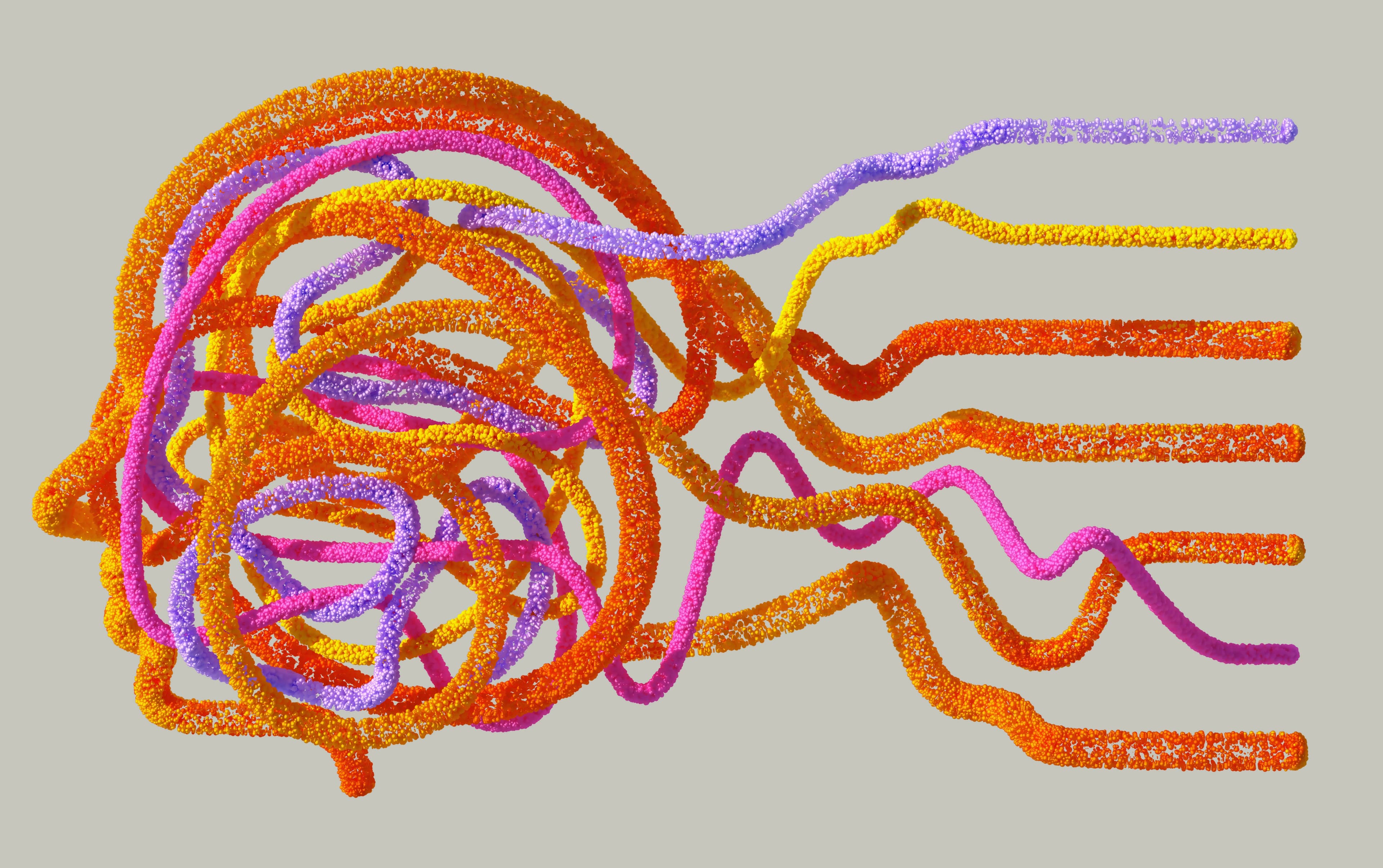


Occasional forgetfulness is common and does not automatically indicate dementia. Medical assessment may be appropriate when memory problems become more frequent, affect everyday life or are noticed by relatives.
What is dementia?
Dementia is an umbrella term for several conditions in which abilities such as memory, orientation, language or planning may progressively decline. Alzheimer’s disease is a common cause, but it is not the only one.
Because changes can begin gradually, early signs may be dismissed as normal ageing. Observing patterns over time can help place them in context.
Possible early warning signs
Early changes may be subtle. Not every sign occurs at the same time, and no single symptom automatically means dementia.
- Repeatedly forgetting important appointments
- Frequently misplacing objects
- Difficulty following conversations
- Problems finding words
- Difficulty with orientation
- Problems completing familiar tasks
Key points
Not all forgetfulness indicates dementia
Occasional forgetting is common. The pattern becomes more concerning when it recurs and affects everyday functioning.
Early signs may be subtle
Repeated appointment problems, word-finding difficulty, disorientation or difficulty with familiar tasks deserve attention.
Mood and behaviour may also change
Withdrawal, uncertainty, irritability or anxiety are not always immediately connected with cognitive change.
Early assessment provides clarity
Professional evaluation can investigate other causes and support timely planning.
Changes in everyday life
Changes in daily functioning may be noticed before the person can describe them clearly. Relatives or close contacts may observe that familiar routines have become less secure.
- Difficulty paying bills
- Problems cooking or organising sequences of tasks
- Reduced confidence when driving
- Increasing confusion during familiar routines
Emotional and social changes
Dementia does not affect memory alone. Mood, confidence and social behaviour may also change early.
- Withdrawal from social contact
- Reduced confidence
- Irritability
- Changes in mood
- Anxiety
Normal forgetfulness or a warning sign?
With ordinary age-related forgetfulness, information may not be immediately available but is often recalled later. Concern increases when difficulties recur and independence in daily life declines.
- Occasional forgetfulness without substantial impact is more consistent with normal variation
- Increasing symptoms over time should be taken seriously
- Loss of orientation or marked uncertainty warrants professional assessment
- Observations from relatives may provide useful information
Why timely assessment matters
Early assessment may not answer every question immediately, but it can reduce uncertainty and support sensible planning.
- Investigate other possible causes
- Arrange support early
- Discuss treatment options
- Help relatives prepare and reduce strain
Other causes of similar symptoms
Memory difficulty does not always mean dementia. Professional evaluation matters because several physical and mental health factors can cause similar symptoms.
- Insufficient sleep
- Depression
- Vitamin deficiency
- Stress
- Medication side effects
- Other neurological conditions
When professional help may be appropriate
Medical assessment may be useful when changes persist, increase or become noticeable in daily life. It is particularly important when relatives observe a pattern that the person may only partly recognise.
Summary
Early signs of dementia are not always clear. Professional assessment can reduce uncertainty and help plan appropriate next steps.
Repeated changes should be taken seriously and discussed with a qualified clinician.
Understand changes early
If memory problems or uncertainty in daily life are increasing, we can support the next stage of clinical assessment.
Request an appointmentMore topics
More articles from our guide

ADHS bei Erwachsenen: jenseits der Klischees