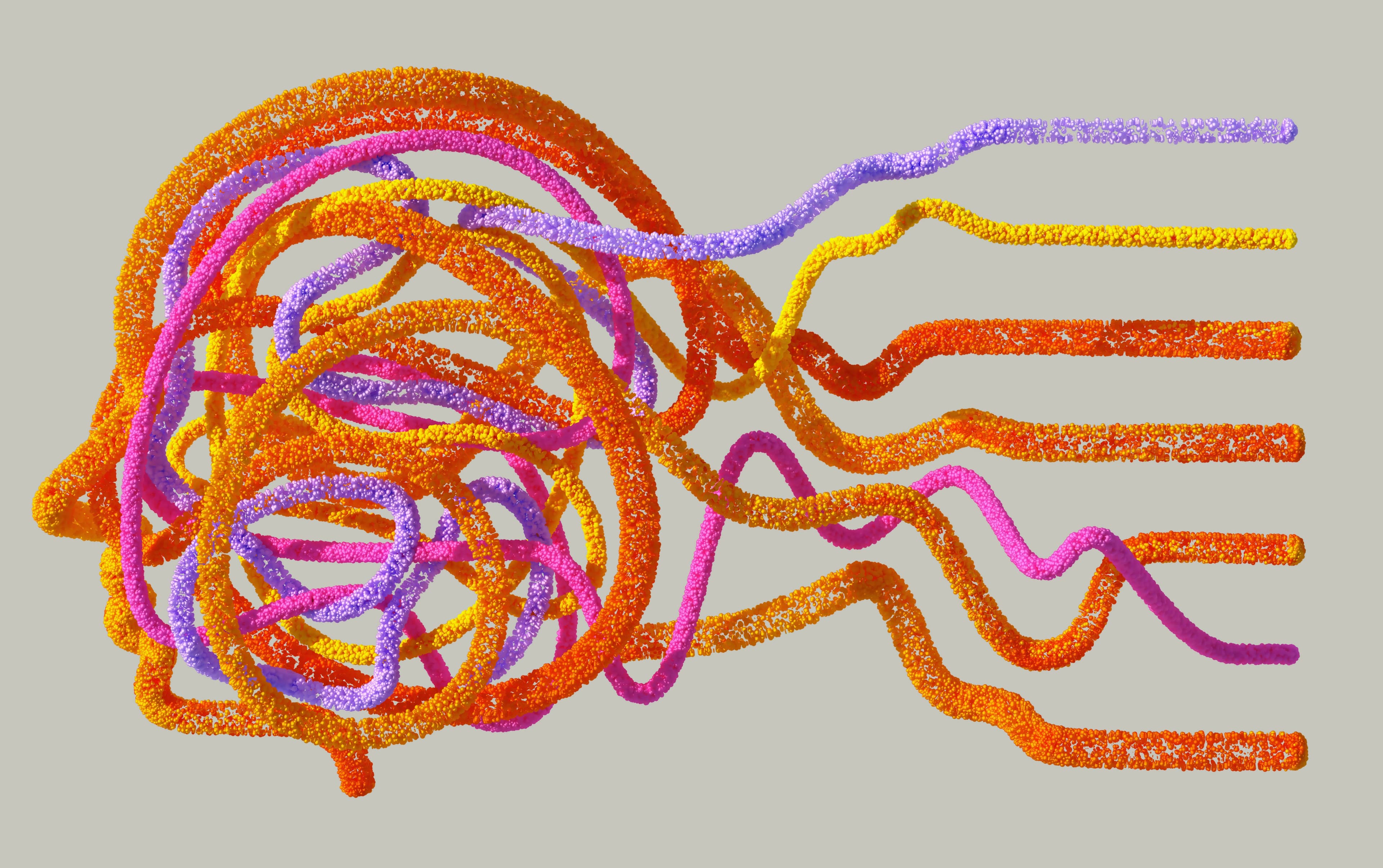



Many adults experience concentration problems, inner restlessness or difficulty with organisation and time management for years. Professional assessment can place these patterns in context and clarify possible next steps.
When people first notice a pattern
Many people seek support only after a long time. Symptoms may have been present since childhood but become apparent only when adult demands increase.
- Difficulty concentrating at work
- Problems with organisation and planning
- Emotional overwhelm
- Impulsive decisions
- Difficulty at university or college
- Conflict in relationships
- Persistent inner restlessness
Key points
Many people seek help late
Concentration problems, restlessness or organisational difficulties may be attributed to stress or overload for years.
Self-tests are not diagnostic
Online checklists may indicate a pattern but cannot reliably distinguish ADHD from other conditions.
Assessment has several components
Consultation, history, standardised tools and specialist evaluation together create a reliable clinical picture.
Clarity can be relieving
A careful evaluation can help people understand symptoms and plan appropriate next steps.
Why self-tests are not enough
Many online self-tests and checklists are available. They may provide an initial indication but cannot replace a professional assessment.
Similar experiences can arise from other conditions or pressures. A careful assessment helps interpret symptoms accurately.
- Stress
- Depression
- Anxiety disorders
- Sleep problems
- Burnout
- Other neurological or mental health conditions
The first step: an initial consultation
Assessment usually begins with a detailed conversation to understand the current situation, difficulties and questions.
- Current symptoms
- Challenges at work
- Daily circumstances
- Personal pressures
- Previous experiences and support
Medical and personal history
An important part of assessment is establishing when symptoms began and where they occur.
This information supports a more precise evaluation and helps the clinician understand how the pattern has developed.
- When did the symptoms begin?
- Were signs present during childhood?
- Are there similar patterns in the family?
- What treatment or support has already been tried?
Standardised questionnaires and tests
Standardised questionnaires and assessment tools are often used to record symptoms systematically and identify patterns.
They are only one part of the process and must always be interpreted in the wider clinical context.
- Record symptoms systematically
- Identify characteristic patterns
- Consider alternative explanations
Specialist clinical evaluation
The collected information is evaluated clinically. A thorough assessment considers the complete picture rather than isolated symptoms.
- Whether diagnostic criteria for ADHD are met
- Whether other conditions must be considered
- Which additional factors affect daily life
The feedback consultation
At the end of the assessment, the results are discussed in detail. This can clarify whether ADHD is diagnosed, which difficulties are most important and what support may be appropriate.
What treatment options may follow?
Different measures may be appropriate depending on the individual situation. Treatment is personalised around symptoms, daily life and personal goals.
- Psychoeducation
- Cognitive behavioural therapy
- Coaching
- Medication
- A combination of approaches
How timely assessment can help
Many people experience relief after a thorough assessment. A diagnosis does not automatically mean that a particular treatment must begin immediately, but it can support informed decisions.
- Greater clarity
- Better understanding of personal symptoms
- Specific support options
- Less uncertainty
Summary
Professional assessment may be useful when concentration problems, inner restlessness or organisational difficulties persistently affect everyday life.
The first step is often an open conversation and a wish to understand the situation more clearly.
Plan the next assessment step
If you want clarity about concentration, restlessness or organisational difficulties, we can help you consider the next steps.
Start the ADHD self-checkMore topics
More articles from our guide

ADHS bei Erwachsenen: jenseits der Klischees