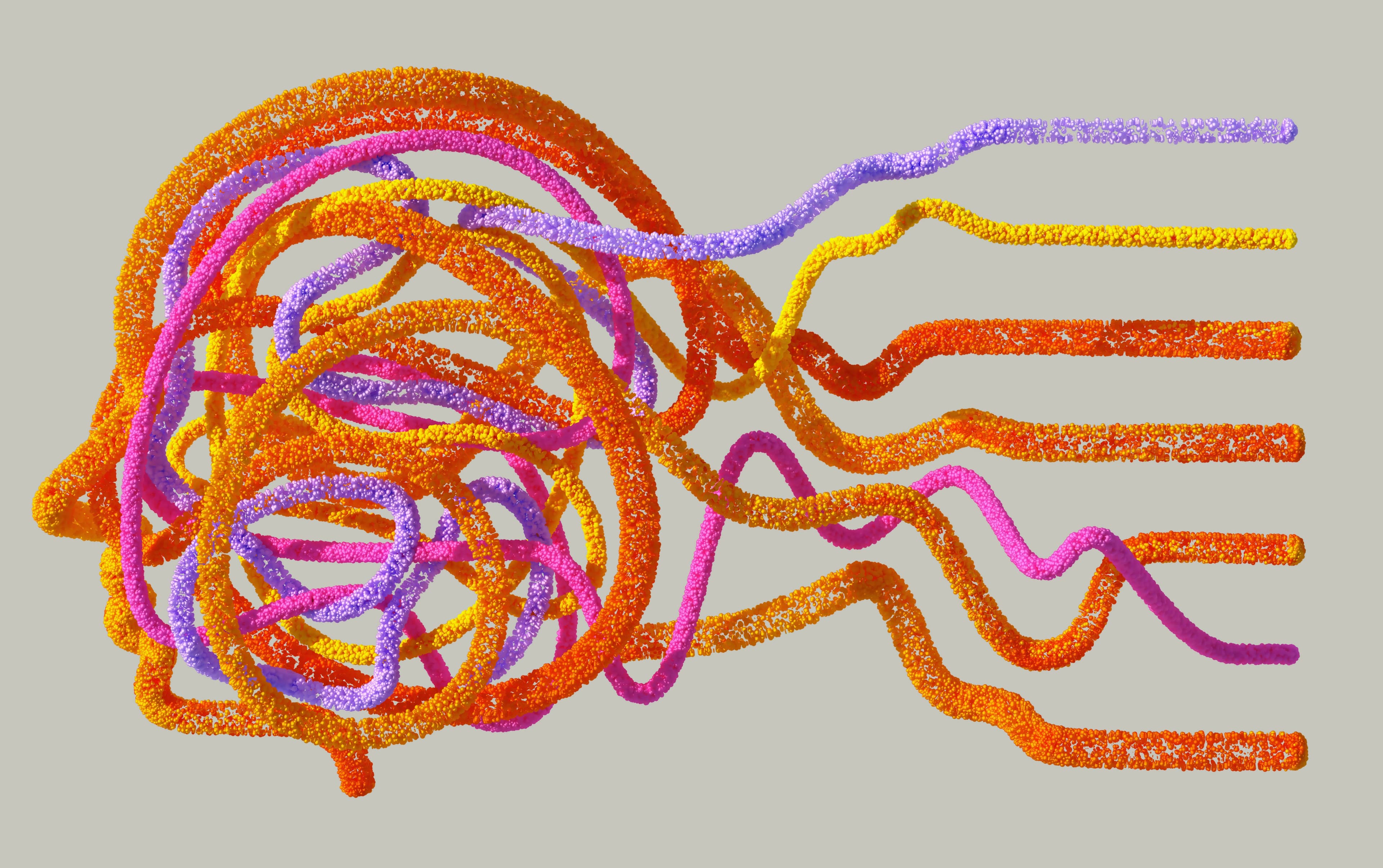



ADHD is often described through difficulties with attention, impulsivity and organisation. A fuller picture also considers individual abilities and the conditions in which they can emerge.
What does a strengths-based perspective mean?
A strengths-based perspective complements the medical description of symptoms by asking what abilities a person has and in which situations they can use them effectively.
It does not mean claiming that ADHD is always an advantage. The condition can cause substantial impairment and may require professional treatment.
Key points
ADHD is not only about difficulties
Alongside impairment, many people experience curiosity, imagination, energy or deep interest in particular subjects.
Strengths depend on context
A quality may be helpful in a suitable environment and difficult under time pressure or without structure.
Interest can focus attention
Intense focus on engaging work can be productive but does not remove the need for support with less stimulating responsibilities.
A balanced perspective can reduce shame
Recognising strengths does not minimise genuine ADHD-related impairment or replace necessary treatment.
Creativity and ideas
Some people with ADHD connect information quickly, develop many possible solutions or explore unusual approaches. This can be useful in creative, entrepreneurial or problem-solving work.
A large number of simultaneous ideas can also become overwhelming. Clear priorities, visible intermediate steps and help choosing between options can turn useful ideas into completed work.
Interest and intense focus
When an activity is highly engaging, some people with ADHD can work on it with sustained concentration. This intense focus is often informally called hyperfocus.
It is not always under voluntary control and may cause breaks, appointments or other tasks to be missed. Timers, transition cues and agreed boundaries can help.
Energy, spontaneity and flexibility
Enthusiasm and spontaneous responses can energise a group or prove useful in fast-moving situations. Some people also experience rapid shifts in perspective as a resource.
Without suitable boundaries, the same qualities can contribute to impulsive decisions, overcommitment or many unfinished projects. Strengths and difficulties are therefore not opposites.
Why the environment matters
Abilities are easier to use when tasks are understandable, meaningful and divided into manageable steps. Short feedback cycles, realistic deadlines and fewer unnecessary distractions often help.
- Make priority and urgency visible
- Collect ideas before deciding which to pursue
- Combine focus periods with planned breaks
- Use strengths deliberately while structuring difficult tasks
- Ask for support before overload develops
Developing a balanced self-image
Many people have spent years hearing criticism about forgetfulness, restlessness or an apparent lack of discipline. A reliable diagnosis may help them reinterpret those experiences.
A diagnosis should not be used to explain every characteristic. Personality, experiences, abilities and possible co-occurring conditions remain important.
When support may be useful
A strengths-based approach does not replace assessment or treatment. Professional support may be appropriate when attention, impulsivity, organisation or emotional difficulties significantly affect daily life, relationships, education or work.
- Psychoeducation and better understanding of personal patterns
- Psychological strategies for daily life and self-esteem
- ADHD coaching for practical organisational goals
- Clinically supervised medication when indicated
Summary
ADHD can involve substantial difficulties. At the same time, individuals have personal resources that may become visible and useful in a suitable environment.
A realistic perspective recognises both the need for support and the person’s strengths.
Look at ADHD as a whole
Professional assessment can help you understand difficulties and use existing resources more deliberately.
View ADHD servicesMore topics
More articles from our guide

ADHS bei Erwachsenen: jenseits der Klischees