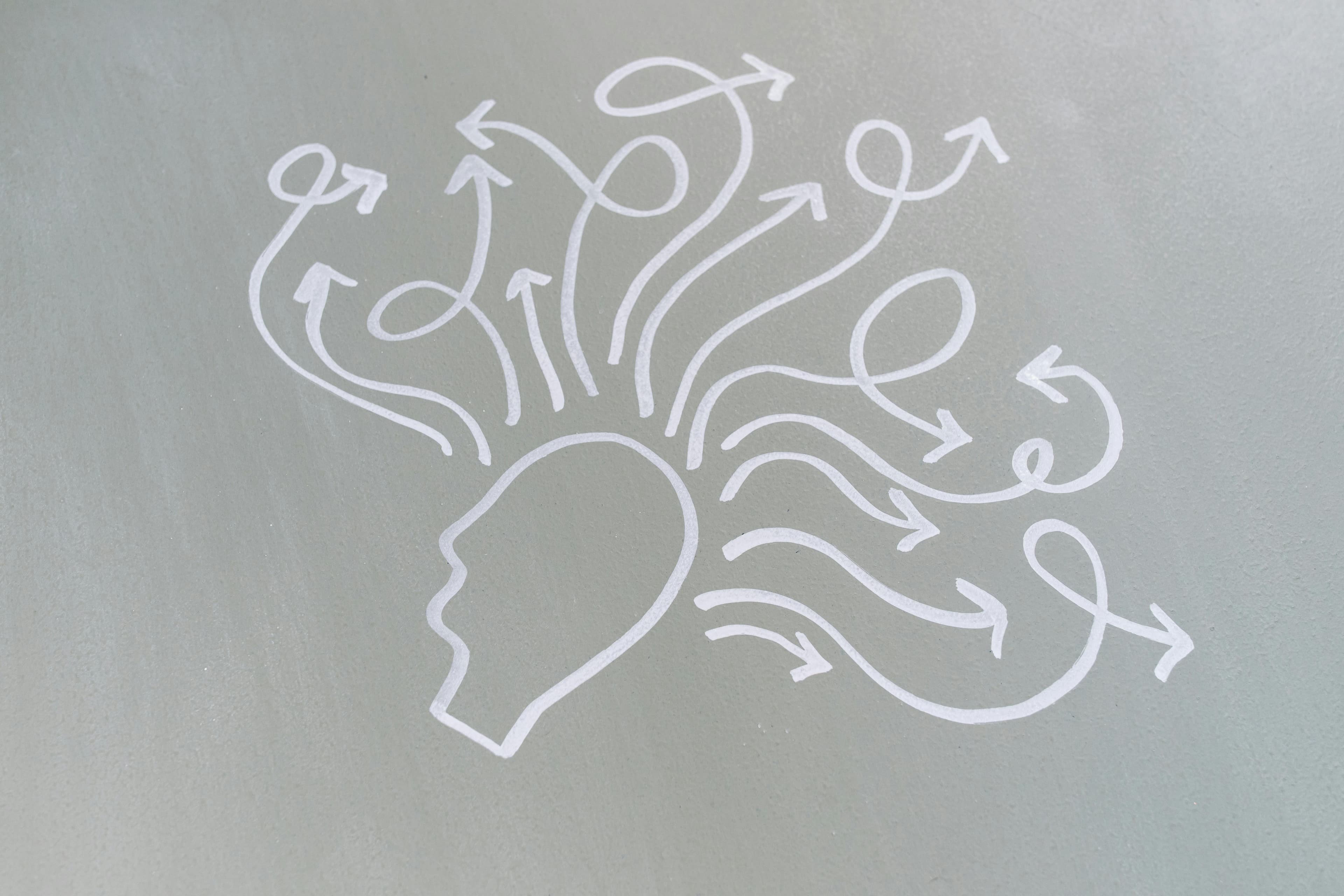



Resilience does not mean tolerating unlimited pressure; it means developing sustainable ways to respond, recover and seek support.
What workplace resilience means
Resilience is the capacity to respond to difficulty and recover, not an obligation to remain productive under harmful conditions.
Key points
What workplace resilience means
Resilience is the capacity to respond to difficulty and recover, not an obligation to remain productive under harmful conditions.
1. Set realistic priorities
Limit active tasks, clarify what matters most and renegotiate expectations that cannot reasonably be met.
2. Create boundaries between work and rest
Defined finishing cues, reduced notifications and protected non-work time help mental recovery.
3. Notice stress signals early
Changes in sleep, irritability, concentration, physical tension or exhaustion can indicate that demands need adjustment.
4. Use social support
Trusted colleagues, supervisors, family and professional services can offer perspective and practical assistance.
5. Plan recovery
Regular sleep, movement, breaks and restorative activities are basic maintenance rather than rewards for finishing everything.
Why resilience matters at work
Sustainable coping can protect health and decision-making, but organisational causes of excessive workload also require action.
When professional help may be useful
Seek help when stress persistently affects sleep, mood, functioning or safety, or when anxiety, depression or exhaustion increases.
Summary
Resilience grows through realistic demands, boundaries, connection and recovery—not through enduring more at any cost.
Discuss the next steps
A confidential professional conversation can help you understand your situation and choose an appropriate next step.
Request an appointmentMore topics
More articles from our guide

ADHS bei Erwachsenen: jenseits der Klischees